
Jewellery
Jewellery: A Complete Guide to Metals, Stones, and Timeless Styling
Good jewellery is never really about the price tag — it’s about knowing exactly what you’re looking at. Whether it’s a gold band passed down through three generations or a lab-grown diamond picked up last week, the pieces that last are the ones bought with real knowledge of metal, stone, and fit. This guide breaks down exactly that: what your jewellery is made of, how it should sit on your body, and how to keep it looking new for decades.
Understanding Metal Quality: What You’re Actually Paying For
The metal is the foundation of any piece, and karat or purity markings tell you far more than the shine ever will.
24k gold — Pure gold, deep yellow, and soft enough to scratch easily. Rarely used alone in everyday wear.
18k gold — 75% pure gold mixed with alloy metals for strength. The standard for fine jewellery — durable enough for daily wear, rich enough in color to read as “real.”
14k and 10k gold — More alloy, more durability, lighter color. A practical choice for pieces that see heavy daily use, like wedding bands.
Platinum — Denser and more hypoallergenic than gold, with a naturally white sheen that doesn’t fade. Costs more, but rarely needs replating.
Sterling silver — 92.5% pure silver, affordable and versatile, though prone to tarnishing without proper storage.
Gold vermeil — Sterling silver plated with a thick layer of gold. A middle ground between solid gold and gold-plated brass, offering better longevity than typical plating.
Stainless steel and gold-filled pieces have also earned a legitimate place in modern jewellery boxes, particularly for everyday stacking pieces that need to survive showers, gym sessions, and general life without tarnishing.
Reading the Stone: Diamonds, Gemstones, and Lab-Grown Alternatives
Stones carry their own vocabulary, and understanding it prevents overpaying for the wrong thing.
Diamonds — Evaluated by the four Cs: cut, color, clarity, and carat weight. Cut affects sparkle more than size does, which is worth remembering before chasing carat count alone.
Precious gemstones — Rubies, emeralds, and sapphires fall into this category, prized for rarity and saturation of color.
Semi-precious stones — Amethyst, citrine, topaz, and quartz offer striking color at a fraction of the cost, ideal for statement pieces worn often.
Lab-grown diamonds and gemstones — Chemically identical to their mined counterparts, offering the same brilliance with a smaller environmental footprint and a significantly lower price point.
The Rules of Sizing and Layering
Necklace Lengths and Layering
Layering works best when each chain sits at a distinctly different length rather than overlapping — think choker, collarbone-length, and a longer pendant chain worn together. Mixing metals within a layered set has also become far less of a fashion rule and more of an intentional styling choice.
Ring Sizing and Stacking
Ring size can fluctuate slightly with temperature and time of day, so sizing at multiple points during the day gives a more accurate fit. When stacking rings, vary band widths — pairing a thin band with a thicker statement ring keeps the hand looking curated rather than cluttered.
Bracelet and Earring Considerations
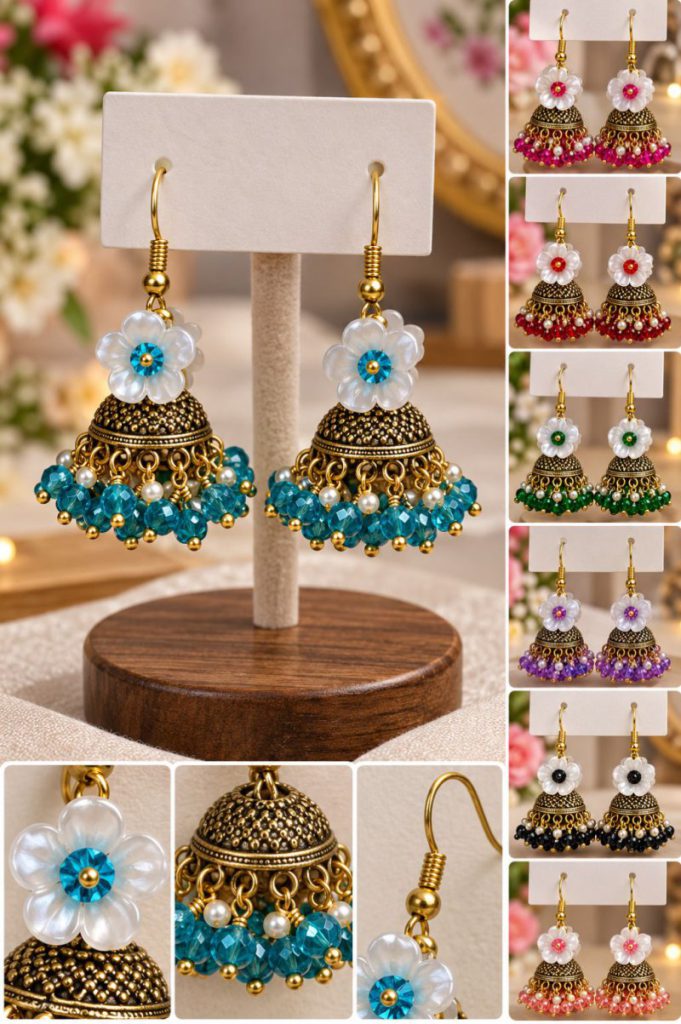
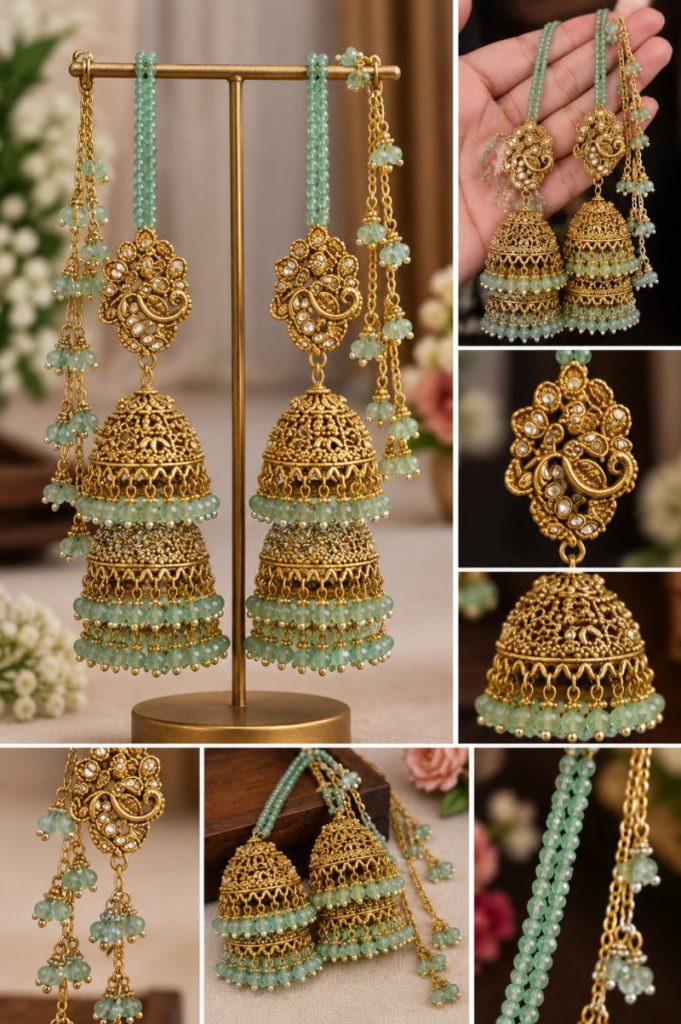
Bracelets should allow one finger’s width of movement between the wrist and the band for comfortable wear. For earrings, weight matters as much as size — heavier drop earrings need secure, well-constructed backs to avoid drooping over a full day of wear.
Pairing Jewellery to Face and Body Shape
The right piece does more flattering work than people expect:
Round faces — Elongating shapes like drop or dangle earrings add definition.
Square faces — Rounded hoops or soft curves balance stronger jawlines.
Oval faces — Nearly any earring shape works; this is the most versatile face shape for jewellery experimentation.
Heart-shaped faces — Studs or teardrop styles that widen slightly at the bottom balance a narrower chin.
Necklines follow a similar logic: a V-neck pairs naturally with a pendant that echoes the same line, while a high or crew neckline works better with a shorter, choker-length piece that doesn’t compete with the collar.
Sub-Trends Shaping Jewellery Right Now
Ear stacking and curation — Multiple piercings styled deliberately, mixing hoops, studs, and cuffs in a single ear.
Signet ring revival — Once strictly heirloom pieces, signet rings are now worn stacked and styled far more casually.
Coloured gemstone resurgence — A shift away from diamond-only pieces toward sapphires, emeralds, and semi-precious stones as centerpiece choices.
Mismatched earrings — Intentionally asymmetric pairs, popularized by designers experimenting with proportion and contrast.
Lab-grown momentum — Increasing consumer preference for lab-grown diamonds, driven by both price and sustainability considerations.
Caring for and Maintaining Your Jewellery
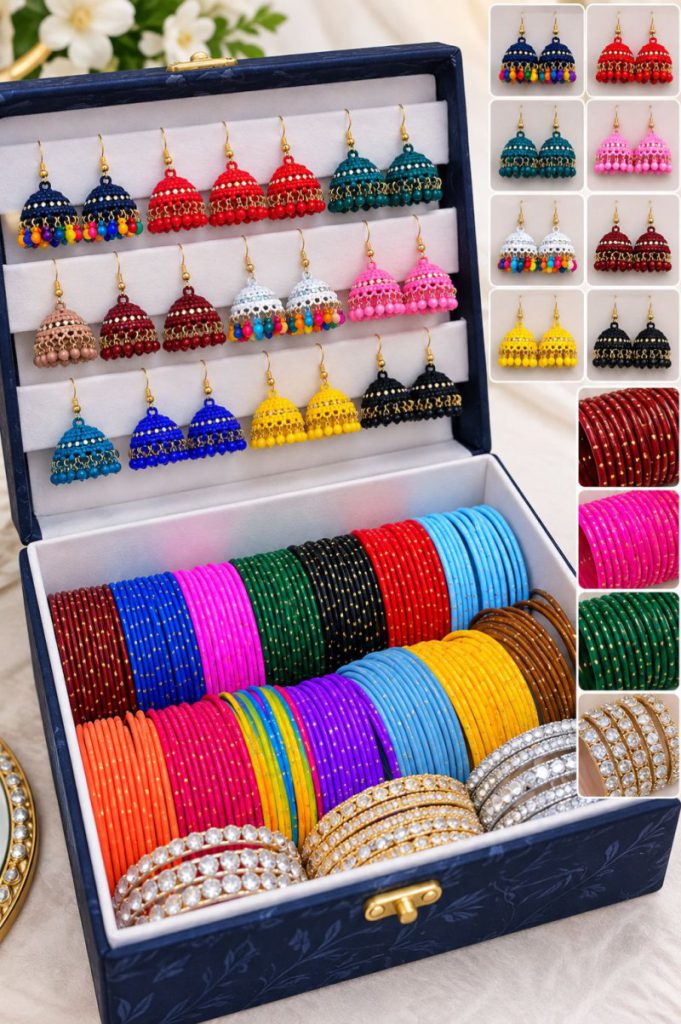
Store pieces separately in soft pouches or lined compartments to prevent scratching between metals and stones.
Remove jewellery before swimming, showering, or applying perfume and lotion, all of which accelerate tarnishing and dulling.
Clean gold and platinum with a soft cloth and mild soap solution; avoid harsh chemicals on plated or vermeil pieces.
Have prong settings and clasps professionally inspected roughly once a year to catch wear before a stone is lost.
Store sterling silver with anti-tarnish strips if it won’t be worn regularly.
The Cheat Sheet: Five Rules for Building a Jewellery Collection
Buy the best metal quality you can reasonably afford — it directly determines longevity.
Learn your face shape and neckline preferences before investing in statement pieces.
Mix metals confidently; matching everything is no longer a hard rule.
Prioritize secure clasps and settings over sheer size when it comes to everyday pieces.
Treat cleaning and storage as part of the investment, not an afterthought.
Jewellery, done well, is less about following trends and more about understanding materials well enough to make them your own — a distinction that separates a well-built collection from a drawer full of things you stopped wearing.
Jewellery: A Complete Guide to Metals, Stones, and Timeless Styling
Good jewellery is never really about the price tag — it's about knowing exactly what you're looking at. Whether it's a gold band passed down through three generations or a lab-grown diamond picked up last week, the pieces that last are the ones bought with real knowledge of metal, stone, and fit. This guide breaks down exactly that: what your jewellery is made of, how it should sit on your body, and how to keep it looking new for decades.
Understanding Metal Quality: What You're Actually Paying For
The metal is the foundation of any piece, and karat or purity markings tell you far more than the shine ever will.
24k gold — Pure gold, deep yellow, and soft enough to scratch easily. Rarely used alone in everyday wear.
18k gold — 75% pure gold mixed with alloy metals for strength. The standard for fine jewellery — durable enough for daily wear, rich enough in color to read as "real."
14k and 10k gold — More alloy, more durability, lighter color. A practical choice for pieces that see heavy daily use, like wedding bands.
Platinum — Denser and more hypoallergenic than gold, with a naturally white sheen that doesn't fade. Costs more, but rarely needs replating.
Sterling silver — 92.5% pure silver, affordable and versatile, though prone to tarnishing without proper storage.
Gold vermeil — Sterling silver plated with a thick layer of gold. A middle ground between solid gold and gold-plated brass, offering better longevity than typical plating.
Stainless steel and gold-filled pieces have also earned a legitimate place in modern jewellery boxes, particularly for everyday stacking pieces that need to survive showers, gym sessions, and general life without tarnishing.
Reading the Stone: Diamonds, Gemstones, and Lab-Grown Alternatives
Stones carry their own vocabulary, and understanding it prevents overpaying for the wrong thing.
Diamonds — Evaluated by the four Cs: cut, color, clarity, and carat weight. Cut affects sparkle more than size does, which is worth remembering before chasing carat count alone.
Precious gemstones — Rubies, emeralds, and sapphires fall into this category, prized for rarity and saturation of color.
Semi-precious stones — Amethyst, citrine, topaz, and quartz offer striking color at a fraction of the cost, ideal for statement pieces worn often.
Lab-grown diamonds and gemstones — Chemically identical to their mined counterparts, offering the same brilliance with a smaller environmental footprint and a significantly lower price point.
The Rules of Sizing and Layering
Necklace Lengths and Layering
Layering works best when each chain sits at a distinctly different length rather than overlapping — think choker, collarbone-length, and a longer pendant chain worn together. Mixing metals within a layered set has also become far less of a fashion rule and more of an intentional styling choice.
Ring Sizing and Stacking
Ring size can fluctuate slightly with temperature and time of day, so sizing at multiple points during the day gives a more accurate fit. When stacking rings, vary band widths — pairing a thin band with a thicker statement ring keeps the hand looking curated rather than cluttered.
Bracelet and Earring Considerations
Bracelets should allow one finger's width of movement between the wrist and the band for comfortable wear. For earrings, weight matters as much as size — heavier drop earrings need secure, well-constructed backs to avoid drooping over a full day of wear.
Pairing Jewellery to Face and Body Shape
The right piece does more flattering work than people expect:
Round faces — Elongating shapes like drop or dangle earrings add definition.
Square faces — Rounded hoops or soft curves balance stronger jawlines.
Oval faces — Nearly any earring shape works; this is the most versatile face shape for jewellery experimentation.
Heart-shaped faces — Studs or teardrop styles that widen slightly at the bottom balance a narrower chin.
Necklines follow a similar logic: a V-neck pairs naturally with a pendant that echoes the same line, while a high or crew neckline works better with a shorter, choker-length piece that doesn't compete with the collar.
Sub-Trends Shaping Jewellery Right Now
Ear stacking and curation — Multiple piercings styled deliberately, mixing hoops, studs, and cuffs in a single ear.
Signet ring revival — Once strictly heirloom pieces, signet rings are now worn stacked and styled far more casually.
Coloured gemstone resurgence — A shift away from diamond-only pieces toward sapphires, emeralds, and semi-precious stones as centerpiece choices.
Mismatched earrings — Intentionally asymmetric pairs, popularized by designers experimenting with proportion and contrast.
Lab-grown momentum — Increasing consumer preference for lab-grown diamonds, driven by both price and sustainability considerations.
Caring for and Maintaining Your Jewellery
Store pieces separately in soft pouches or lined compartments to prevent scratching between metals and stones.
Remove jewellery before swimming, showering, or applying perfume and lotion, all of which accelerate tarnishing and dulling.
Clean gold and platinum with a soft cloth and mild soap solution; avoid harsh chemicals on plated or vermeil pieces.
Have prong settings and clasps professionally inspected roughly once a year to catch wear before a stone is lost.
Store sterling silver with anti-tarnish strips if it won't be worn regularly.
The Cheat Sheet: Five Rules for Building a Jewellery Collection
Buy the best metal quality you can reasonably afford — it directly determines longevity.
Learn your face shape and neckline preferences before investing in statement pieces.
Mix metals confidently; matching everything is no longer a hard rule.
Prioritize secure clasps and settings over sheer size when it comes to everyday pieces.
Treat cleaning and storage as part of the investment, not an afterthought.
Jewellery, done well, is less about following trends and more about understanding materials well enough to make them your own — a distinction that separates a well-built collection from a drawer full of things you stopped wearing.